
Seoul Asan Hospital
General hospital

In South Korea, internal medicine encompasses a broad range of specialties, including cardiology, endocrinology, gastroenterology, pulmonology, and rheumatology, among others. Whether dealing with chronic conditions like diabetes and hypertension or more acute issues such as infections or respiratory diseases, South Korean doctors provide comprehensive care tailored to individual needs. Many of these specialists are internationally recognized for their expertise and are at the forefront of medical research, ensuring that patients receive the latest advancements in treatment.
South Korean hospitals also offer integrative care, combining traditional medicine with modern medical practices. This approach blends Korean medicine (such as acupuncture, herbal treatments, and cupping therapy) with conventional treatments, offering a holistic approach to managing conditions and enhancing overall health.
With its cutting-edge medical facilities, expert specialists, and commitment to innovation, South Korea continues to be a leader in the field of internal medicine. Whether seeking treatment for a specific health issue or a comprehensive health checkup, patients can trust that South Korean healthcare offers world-class care with a focus on precision, effectiveness, and overall well-being.

Health Screening & Checkup is a comprehensive medical examination designed to detect diseases early and assess overall health status. This includes blood tests, imaging studies, and specialized screenings tailored to age, gender, and risk factors.
These procedures help identify potential health issues before symptoms appear, enabling timely intervention and prevention. Health screening addresses concerns such as early cancer detection, cardiovascular risk assessment, and chronic disease monitoring.
Full-body checkup, Cancer screening, Cardiovascular screening, Metabolic panel, Endoscopy
Early disease detection, personalized health insights

Gastroenterology Treatment focuses on diagnosing and treating disorders of the digestive system, including the stomach, intestines, liver, and pancreas. This includes endoscopic procedures, medication therapy, and lifestyle management for various gastrointestinal conditions.
These procedures address digestive health issues ranging from common discomforts to serious diseases. Gastroenterology treatment addresses concerns such as acid reflux, ulcers, inflammatory bowel disease, and liver conditions.
Upper endoscopy, Colonoscopy, H. pylori treatment, Liver function testing, Polyp removal
Accurate diagnosis, effective symptom relief, prevention of complications

Cardiology Treatment encompasses diagnostic and therapeutic procedures for heart and cardiovascular diseases. This includes non-invasive testing, interventional procedures, and ongoing management of heart conditions.
These procedures aim to maintain heart health, prevent cardiovascular events, and manage existing heart conditions. Cardiology treatment addresses concerns such as hypertension, arrhythmia, coronary artery disease, and heart failure.
Echocardiogram, Cardiac CT/MRI, Stress testing, Holter monitoring, Angiography
Comprehensive heart assessment, reduced cardiovascular risk, improved quality of life

Endocrinology Treatment focuses on diagnosing and managing hormonal disorders and metabolic conditions. This includes treatment for thyroid disorders, diabetes, and other conditions affecting the endocrine system.
These procedures restore hormonal balance and regulate metabolic functions for optimal health. Endocrinology treatment addresses concerns such as diabetes, thyroid dysfunction, osteoporosis, and hormonal imbalances.
Thyroid function testing, Diabetes management, Hormone therapy, Bone density testing, Metabolic assessment
Balanced hormone levels, controlled blood sugar, improved metabolic health

Pulmonology Treatment specializes in diagnosing and treating respiratory and lung conditions. This includes pulmonary function testing, imaging studies, and therapeutic interventions for various breathing disorders.
These procedures assess lung health and provide targeted treatment for respiratory issues. Pulmonology treatment addresses concerns such as asthma, COPD, sleep apnea, and chronic cough.
Pulmonary function test, Chest CT, Bronchoscopy, Sleep study, Allergy testing
Improved breathing, accurate diagnosis, better respiratory function
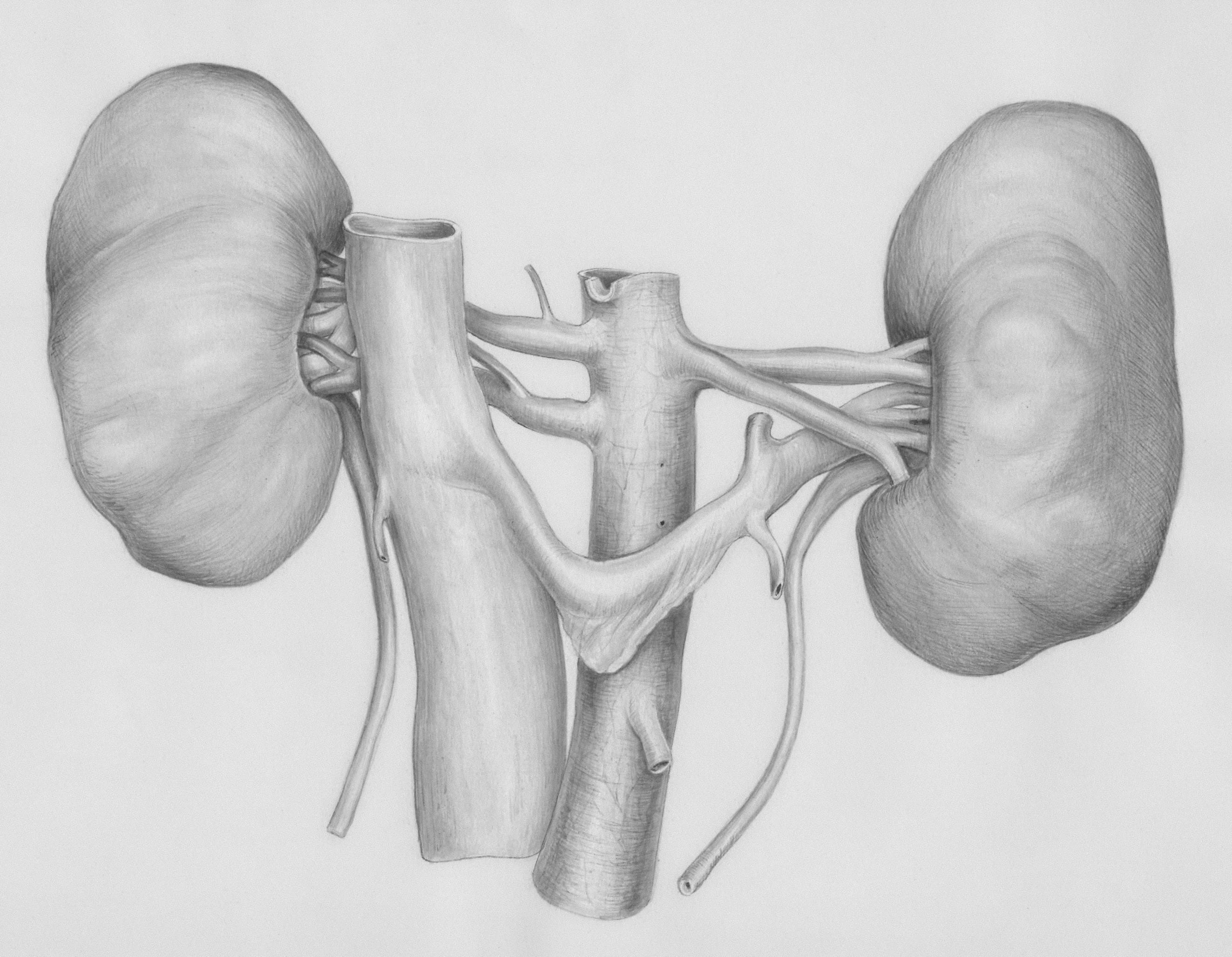
Nephrology Treatment focuses on the diagnosis and management of kidney diseases and related conditions. This includes kidney function testing, dialysis, and treatment for various renal disorders.
These procedures aim to preserve kidney function and manage conditions that affect renal health. Nephrology treatment addresses concerns such as chronic kidney disease, kidney stones, electrolyte imbalances, and hypertension-related kidney damage.
Kidney function testing, Urinalysis, Renal ultrasound, Dialysis, Kidney biopsy
Preserved kidney function, effective disease management, prevention of complications

Rheumatology Treatment specializes in diagnosing and managing autoimmune and inflammatory conditions affecting joints, muscles, and connective tissues. This includes medication therapy, injection treatments, and comprehensive disease management.
These procedures aim to reduce inflammation, relieve pain, and prevent joint damage. Rheumatology treatment addresses concerns such as rheumatoid arthritis, lupus, gout, and fibromyalgia.
Autoimmune panel testing, Joint aspiration, Biologic therapy, Corticosteroid injections, Disease-modifying treatment
Reduced inflammation, pain relief, preserved joint function
General hospital

General hospital

Women’s health, General hospital

Radiology, Internal medicine, Neurology

Internal medicine
Yes, health checkups are widely available in South Korea. These checkups are comprehensive, often including screenings for heart disease, cancer, diabetes, and other common conditions. Many hospitals and private clinics offer packages for domestic and international patients, with personalized plans based on age, gender, and risk factors.
During your first consultation, the doctor will typically begin by reviewing your medical history, discussing any current symptoms or concerns, and performing a physical exam. Depending on your condition, additional diagnostic tests such as blood work, imaging, or screenings may be recommended to help with the diagnosis. Afterward, the doctor will discuss treatment options and create a personalized plan.
The cost of treatment in South Korea varies depending on the type of care required. Health checkups can range from a few hundred to a few thousand dollars, while more specialized treatments like cardiac care or endocrinology consultations may be higher. However, the overall cost of medical care in South Korea is often more affordable compared to Western countries, especially for international patients. Many hospitals also offer packages for foreign patients, which include consultation fees, tests, and follow-up care.
Yes, Korean hospitals offer comprehensive management for chronic conditions such as diabetes, hypertension, and thyroid disorders. For international patients, clinics can provide detailed medical reports, prescription information, and treatment plans that can be shared with your home country physician for continued care.
You should bring your passport, any previous medical records or test results, a list of current medications, and information about known allergies or family medical history. If you have insurance, bring your policy information as well.
Contact MEDIWIN